Kids' Markers Buying Guide: Safety Over Looks, Avoid Costly Mistakes
March 12, 2026
zj1821484871@gmail.com
When shopping for color markers for your little one, is it easy to get drawn in by flashy packaging and huge color sets—only to end up with markers that smell toxic, irritate your child’s skin, or have loose caps everywhere? The truth is, looks come last; safety, usability, and hassle-free design matter most for kids. This guide cuts through the fluff and shares parent-tested tips to help you pick the perfect set without regrets.
🧾 First: Safety Checks—Walk Away If These Fail
Young kids love chewing on pens, rubbing their eyes, and touching snacks right after drawing—so marker safety is non-negotiable. Don’t just trust a generic “non-toxic” label; inspect these critical details closely:
1. Ink Safety: Sniff & Wipe to Spot Low-Quality Ink
Ink is the biggest hidden hazard—cheap, toxic ink can irritate skin and airways. Always test markers in-store before buying:
-
Smell is your first clue: Safe markers should be odorless or have a mild, plant-based scent. Steer clear of any marker with a sharp chemical smell, fake fragrance, or rotten odor—these often contain benzene and heavy metals, which can cause dizziness or skin rashes on kids.
-
Stick to washable water-based ink; avoid oil-based: Only choose water-based ink for children—it washes off skin and clothes with plain soap and water. Oil-based markers contain harsh solvents, leave permanent stains, and have strong fumes; never buy them for kids under 10.
-
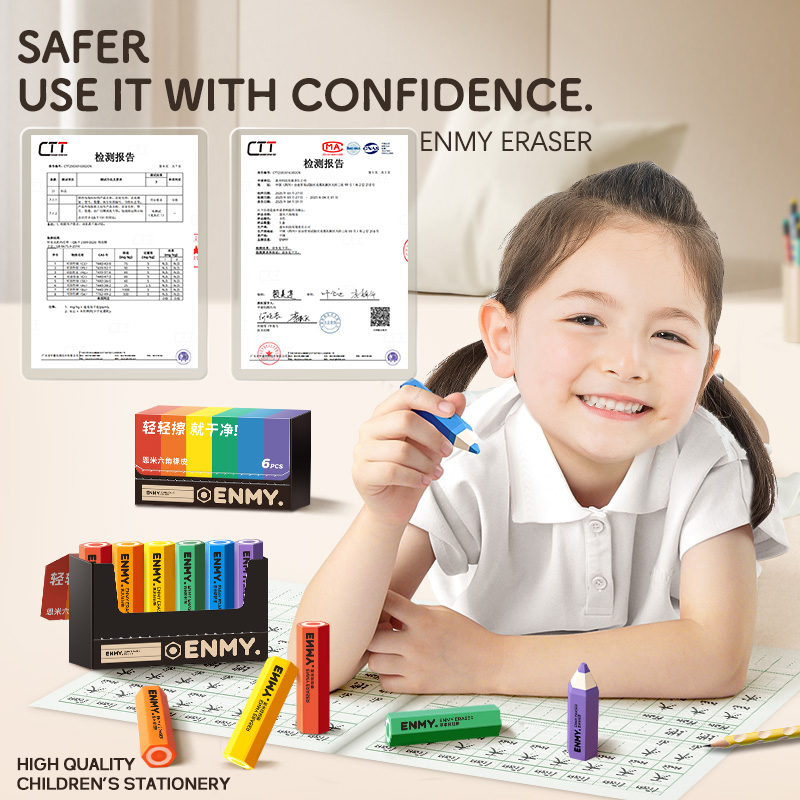
Check safety certifications, not marketing hype: Look for clear labels of GB National Standard, EN 71 (EU Toy Safety), or ASTM D-4236 (US Art Material Safety). These are global safety benchmarks that ban harmful toxins. Skip unbranded, loose, or “no-label” markers—even at rock-bottom prices, they pose high heavy metal risks.
-
Avoid harsh neon colors: Super-bright neon pinks and greens often have excessive fluorescent agents that strain kids’ eyes and are hard to wash off skin. Stick to soft, classic shades like true red, warm yellow, and light blue.
2. Barrel & Small Parts: Choke & Scratch-Proof Design
Many parents overlook small details, but these can lead to choking or scratching hazards—inspect every part carefully:
-
Caps MUST have air holes: This is a mandatory safety standard! Kids often put caps in their mouths; an air hole prevents suffocation if accidentally swallowed. Skip any marker without a vented cap.
-
Smooth, sturdy barrels with no rough edges: Run your finger over the barrel and cap—no burrs, sharp corners, or flimsy plastic. Choose thick, eco-friendly plastic; thin, brittle markers crack easily and leave sharp edges that can cut little hands.
-
Tight-snapping caps: Caps should fit securely and not fall off easily. This stops ink from drying out quickly and prevents accidental ingestion of small caps.
✏️ Next: Usability—Fits Small Hands, Durable & Reliable
Once safety is confirmed, pick a user-friendly set—poorly designed markers will just end up unused:
-
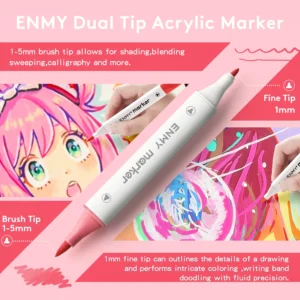
Choose thick tips over fine ones: For toddlers (2–6 years), go for bold bullet or round tips—rounded, sturdy, won’t poke through paper, and cover large areas fast. For kids 6+, dual-sided thick tips (broad for coloring, fine for outlines) work for both drawing and school notes.
-
Thick, non-roll barrels: Small hands struggle with thin, round markers. Opt for triangular or oval thick barrels—easier to grip, won’t roll off desks, reduces hand fatigue, and helps build good writing posture.
-
No bleed-through, quick-dry ink: Test on scrap paper—ink shouldn’t soak through to the other side. Quick-dry formula prevents smudges on little hands and clothes, keeping mess to a minimum.
🎨 Don’t Overbuy Colors—Right Size Beats More Shades
Many parents think more colors equal better value, but too many shades overwhelm kids and go to waste:
-
Toddlers (2–4, early learning): 8–12 basic classic colors—simple, easy to learn, no overstimulation
-
Preschool–Early Elementary (5–8): 12–24 colors—plenty for drawings, crafts, and school posters without clutter
-
Upper Elementary (9+): 24–36 colors—more gradient shades for detailed art projects; skip 60+ color sets unless your child is serious about art
🚫 Top 3 Mistakes Parents Regret
Don’t repeat these common pitfalls!
-
Choosing cute packaging over safety certifications—ending up with smelly, unusable markers
-
Buying cheap unbranded or loose markers to save money—risking skin irritation and toxin exposure
-
Overbuying huge color sets and fine tips—too hard for small hands to use, ending up unused
At the end of the day, the best kids’ markers check all the safety boxes, fit small hands comfortably, and come in a practical color count. Let your little one create freely without worry—that’s the perfect pick for happy, safe doodling!
Share this article